
9. Midcentury style shop
Karl Rowley, an award-winning graphic designer, built Midcentury style store around a mid-century modern aesthetic applied to home decor, mugs and accessories. On the advice of a mentor, he started one YouTube channel of DIY home projects to drive traffic, a project that spilled over 10,000 views on his first viral video.
Karl shoots and edits each product photo himself, keeping his high-quality images consistent with the brand’s retro style. Since April 2025the store only ships within the US.
Midcentury Style Shop Takeaways
-
Content marketing, like a niche YouTube channel, can generate traffic without ad spend
-
High-quality images and a consistent visual style create a recognizable online store
-
Learn SEO yourself or hire an expert early
10. Gifted Images LLC
Gregory DeCuir Jr. rent Gifted Images LLCa New Orleans-based graphic design studio that prints custom apparel for schools, fraternities and alumni groups, in addition to its flyer, logo and branding work. What started as a side project is over 3,000 clothing orders and generated $240,000 of income without Gregory ever keeping inventory.
Instead of competing in the broad t-shirt market, Gregory built his clothing line on niche markets that his design company already served: student life and local community groups with a built-in demand for matching gear.
Print on Demand handles the production side, allowing him to accept orders of any size, from a handful of shirts to a few hundred, without production minimums slowing down the rest of his design work.
Gifted Images LLC Takeaways
-
Find niche markets that you already understand, rather than competing in a broad category
-
Use Print on Demand to accept orders of any size without inventory risk
-
Word of mouth within a close-knit community can replace a paid marketing budget
11. House of Chingasos
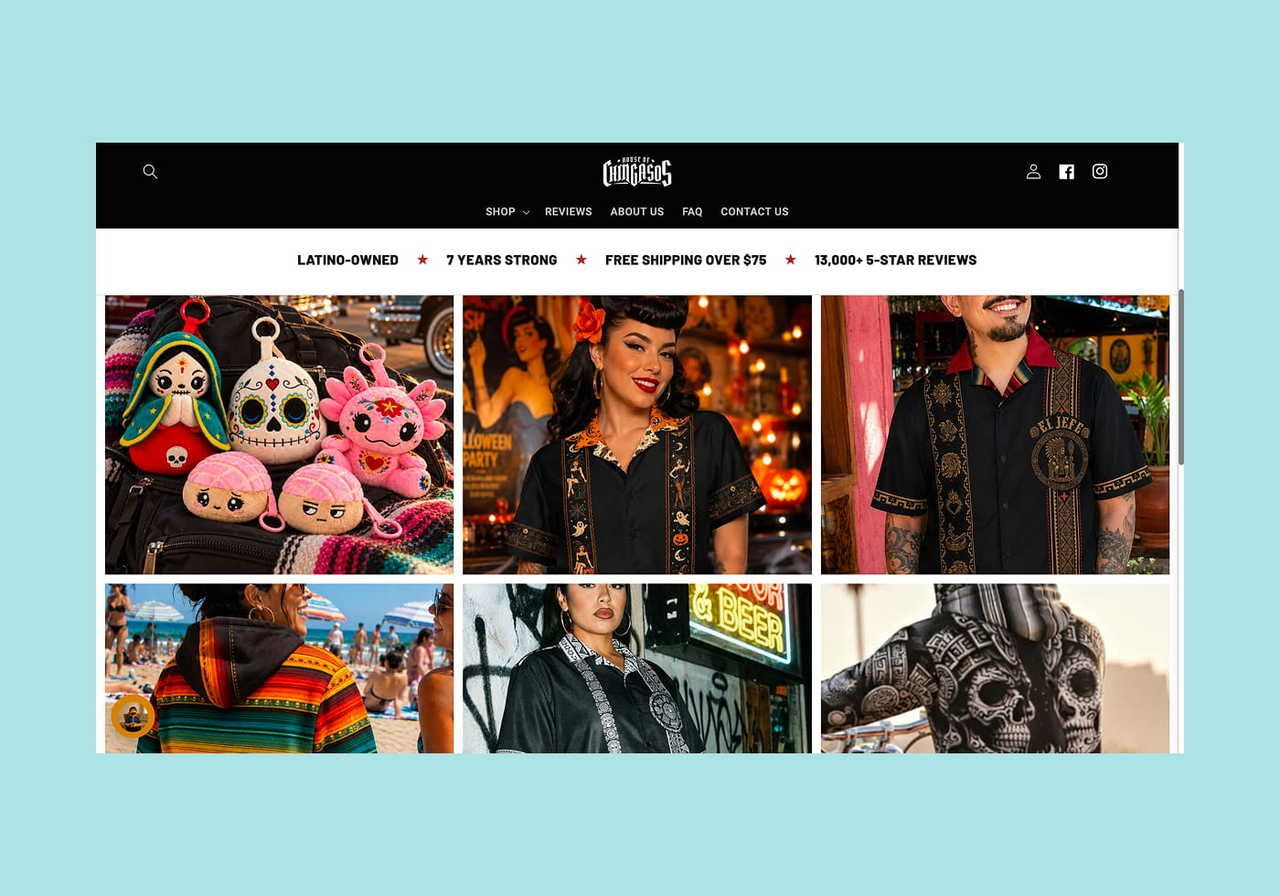
Source: House of Chingasos
Carlos left a full-time job to build House of Chingasosa Las Vegas-based clothing brand rooted in Latino culture into a seven-figure company. His first attempt, a cat-themed t-shirt line, failed because he had no real connection to the niche. Moving to a niche built on its own legacy changed the outcome.
He designed his own products to skip the outsourcing step and started with one $29 Shopify store and more $5,000 for Facebook ads. The brand has achieved since then $3 million in POD salesand Carlos credits mentorship, including advice from his father, for helping him get past the early plateau.
Takeaways from House of Chingasos
-
Build a brand around a niche that you actually understand
-
If possible, do the design work yourself so that custom designs can be launched and tested more quickly
-
Start small and reinvest profits in marketing as sales grow
Further reading: Check out the entire success story of House of Chingasos in our interview.
12. Alice Potter
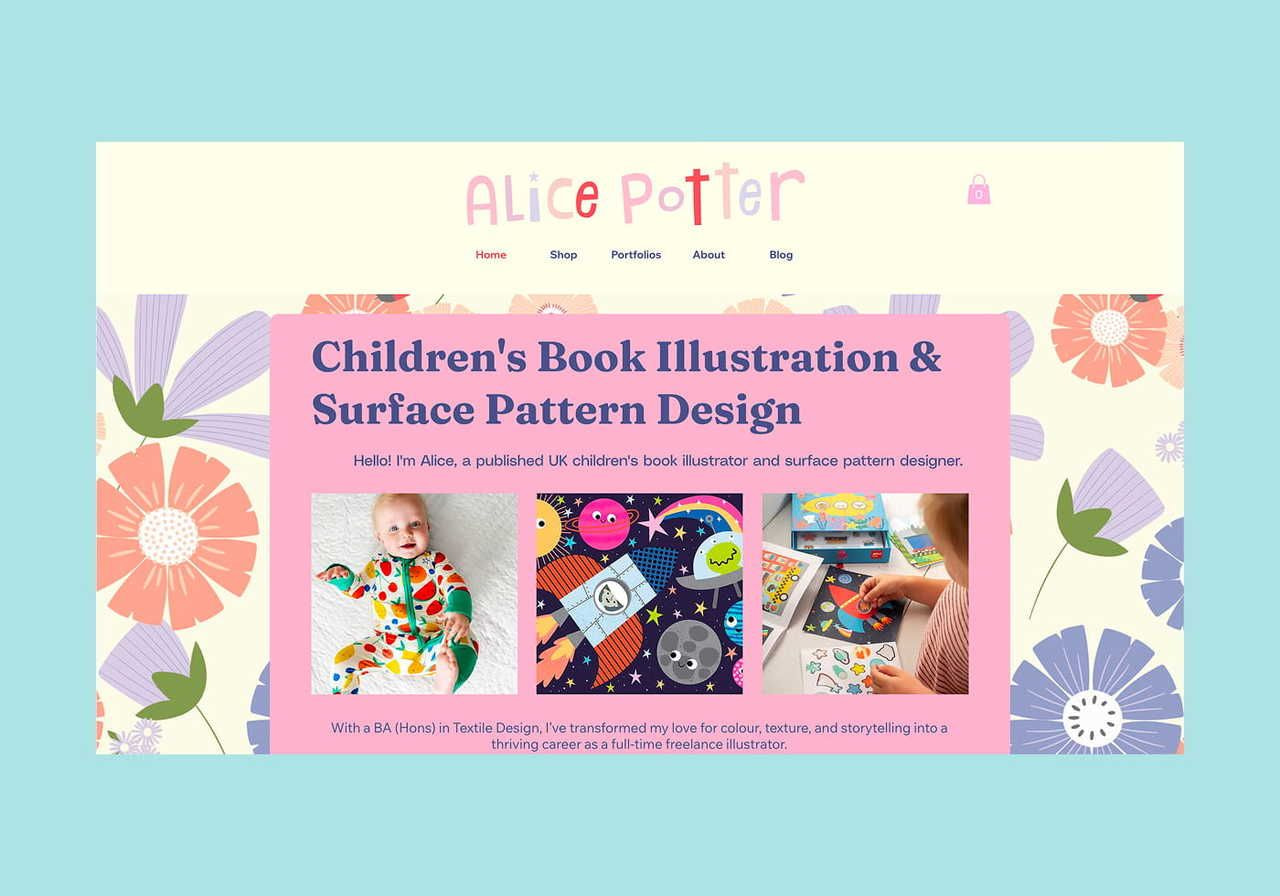
Source: Alice Potter
Alice Pottera UK POD store, sells pastel illustrations in children’s books, art prints, posters, greeting cards and home furnishings such as cushions and blankets. By designing matching themes for her range, customers can decorate an entire room around one work of art.
Alice built her audience by asking followers what they wanted to see before she ever opened her store, a practice of using customer feedback that still informs her designs. Repeated exposure through social media acts as social proof: the more potential buyers see her work and client photos, the more comfortable they feel about purchasing.
Takeaways from Alice Potter
-
Ask your target audience for input on custom designs before you launch
-
Use social proof and customer photos to build trust over time
-
Don’t be afraid to ask for the sale
Further reading: Read the full interview with Alice Potter in our blog.
13. Star Page
Starrypaige turns reptile illustrations into stickers, prints, t-shirts and accessories, with the aim of making snakes and other misunderstood animals more accessible. Creator Paige treats each product as a piece of environmental education as much as a design.
Her best marketing tactic is simple: use her own products all the time social media.
She wears her own T-shirts, decorates orders with her stickers, and hangs her art prints in the background of her videos, a form of user-generated content that builds trust faster than a paid advertisement.
Starrypaige takeaways
-
Focus on a specific niche that you are truly passionate about
-
Use and showcase your own products as a form of user-generated content
-
Personalize the packaging to extend your brand’s message beyond the product
14. Own your stigma
Own your stigma sells apparel with messages like “Your Story Matters” to spark conversations about mental health, and owners Allison and Brian donate a portion of monthly proceeds to mental health charities.
Their advice for new sellers boils down to three things: build a brand around something you’re truly passionate about, stay consistent with new, custom products and personalized gifts, and respond to every customer message within 24 o’clock. Every response shapes the overall customer experience, so treat every response as an opportunity to build customer loyalty.
Own your stigma takeaways
-
Build a brand around a cause that really matters to you
-
Stay consistent: Keep testing custom products and personalized gifts
-
Fast, sincere communication via Instagram builds customer loyalty and a stronger customer experience
15. UMAI clothing
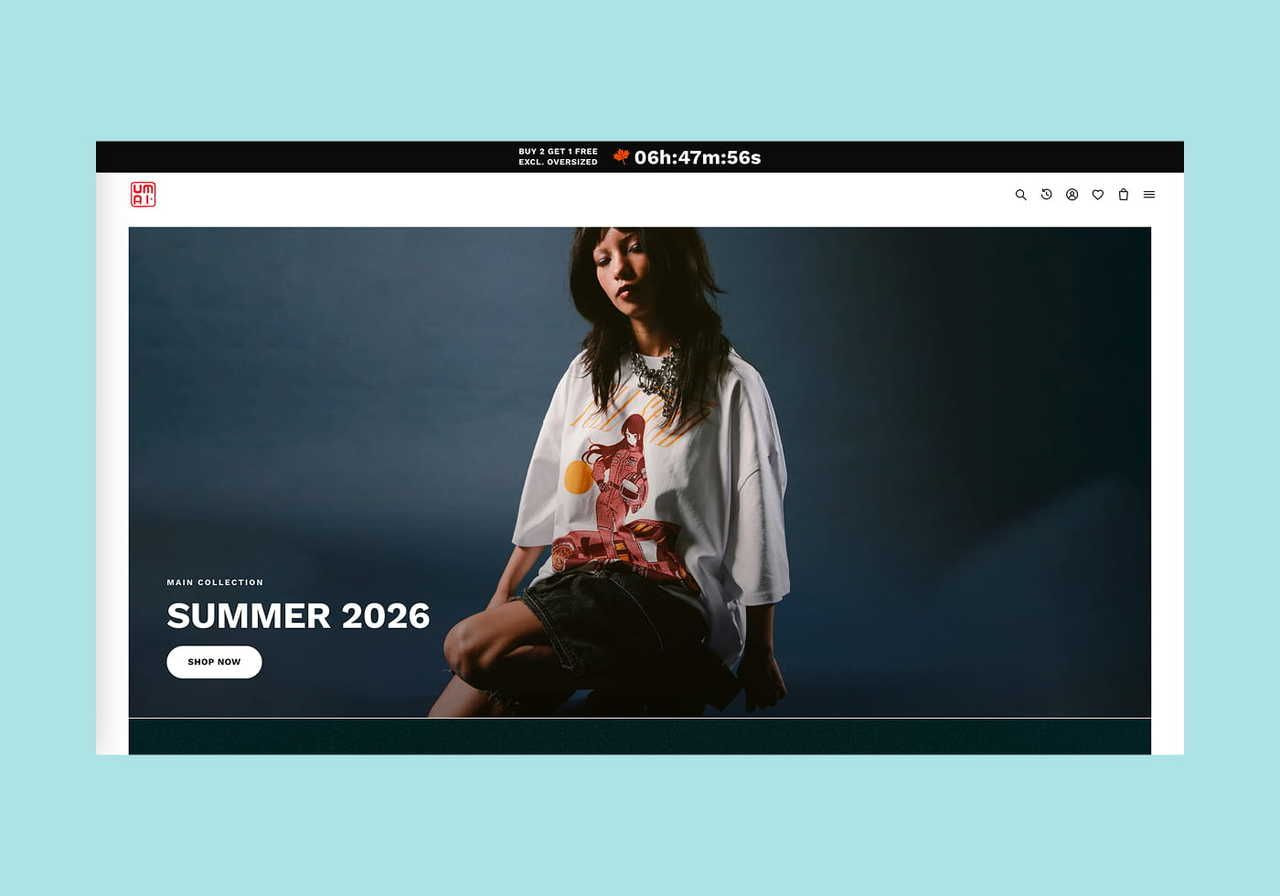
Source: UMAI clothing
UMAI Clothing combines anime-inspired art with streetwear. Founder Ryan collaborated with artist Ivan, and by using Print on Demand to test designs at no upfront cost, the brand grew globally. $20K until around $100K in monthly sales within a few months.
Ryan later shifted the focus from short-term revenue to metrics that matter in the longer term: lifetime value, average order value, and customer repurchase rate. According to him, this shift is more important than the pursuit of daily profit.
The takeaways from UMAI Clothing
-
Use Print on Demand to test custom designs without risking the upfront costs
-
Track average order value and number of repeat purchases, in addition to daily sales
-
Plan for long-term brand growth rather than short-term profit
Further reading: Anime meets streetwear: the art, strategy and vision of UMAI clothing