
This is how the DTF printing process works:
-
The design is printed on a special transfer film, with a white ink layer forming the base, so that colors remain vibrant on different fabric colors.
-
The ink on the film is then covered with adhesive powder.
-
The heat press turns the powder film into a permanent transfer that adheres to the fabric.
Although the process involves several steps, printing t-shirts with a DTF printer is quick and only takes a few minutes.
Valuable reading material: What is DTF printing and how does it work? Your questions answered
What is sublimation printing?

Sublimation printing is a digital printing technology that converts solid ink into a gas that adheres to the material. The design is embedded directly into the fabric or item using heat and sublimation inks.
It is a popular print-on-demand method for creating all-over print products. The fabric is first sublimated, then cut and sewn together. Benefits include large print areas, vibrant colors, sharp details and long-lasting prints.
This is how the sublimation printing process works:
-
The design is printed on transfer paper, also called sublimation paper, using sublimation ink.
-
The transfer paper is pressed onto the fabric with heat and pressure.
-
The heat converts the sublimation ink into gas.
-
The gas adheres to the fibers of the fabric, creating durable prints.
DTF vs sublimation printing: main differences
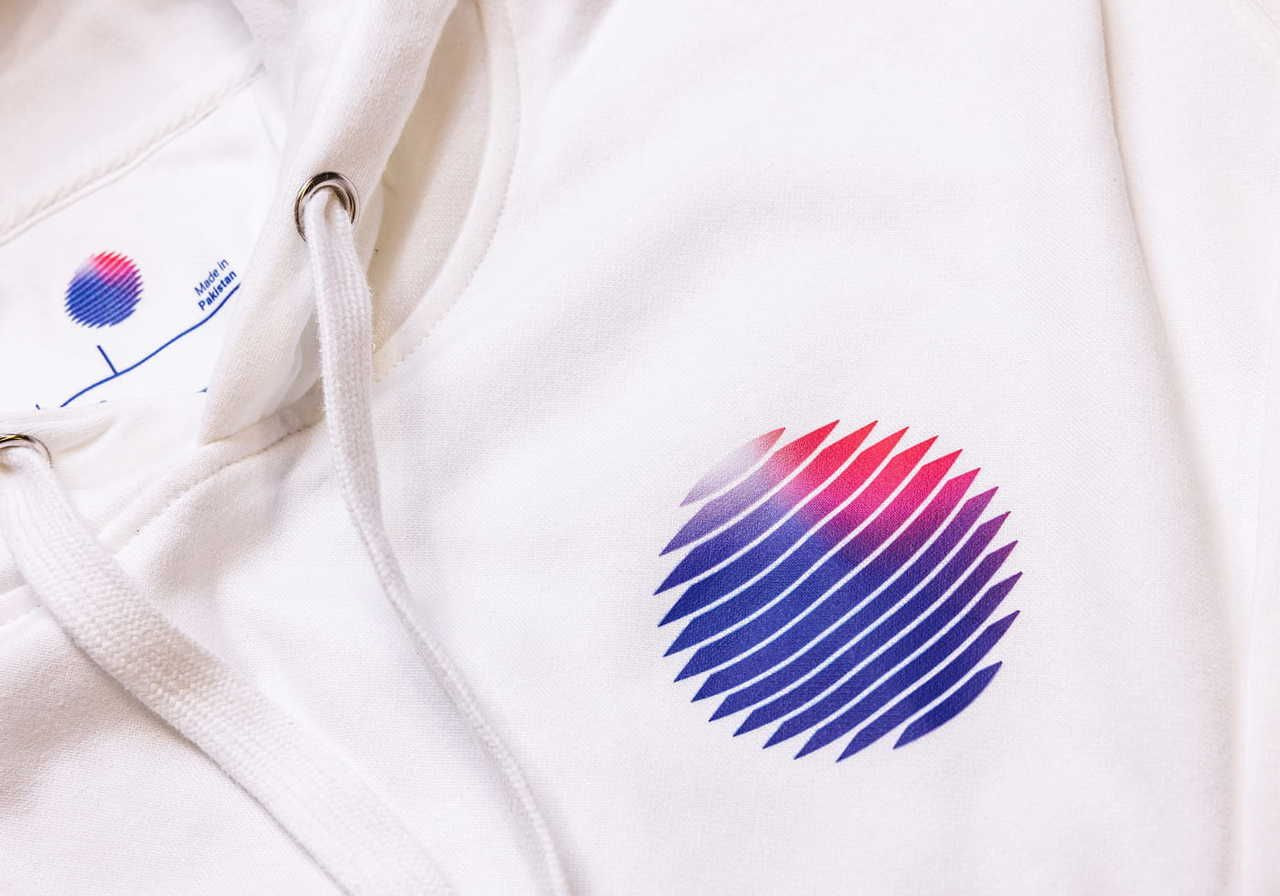
Let’s discuss each customization technique in detail to make it easier for you to choose the most suitable one for your custom printing business. From print quality to fabric suitability, here’s how DTF printing compares to sublimation.
Print quality and durability
The DTF print quality is excellent for digital photos, colorful designs, graphics and art. The ink sits on top of the fabric, so no detail or vibrancy is lost during the printing process.
The prints are smooth and elastic, which can extend their lifespan. They can withstand multiple washes without significant color fading. However, the design may develop small cracks if washed in hot water. Follow our care instructions to help the prints maintain their color and vibrancy over time.
DTF prints may feel stiff initially, but soften after a few washes and the print itself remains relatively thin rather than bulky. However, on large printed surfaces, the same coating can make the garment feel heavy, stiff and less breathable. Therefore, we do not recommend DTF for large, full-coverage designs.
The sublimation print quality is also excellent, producing detailed images in vibrant colors with sharp results. The color is incorporated into the fibers of the fabric, so that it is less likely to fade or come off, resulting in durable prints. It also doesn’t create a raised texture, so it’s immediately comfortable to wear.
Valuable reading material: 6 Best Methods for High-Quality Fabric Printing
Print complexity
DTF excels where precision matters, from fine text to intricate designs, without the need for separate layers for each color. It is best suited for smaller, detailed placements rather than full garment coverage.
Sublimation also processes detailed prints and designs of varying complexity, especially full-color digital prints such as photographs, pattern designs, color gradients and colorful artwork. Because sublimation dyes go directly into the fibers of the fabric rather than sitting on top of them, the results remain vibrant, long-lasting and sharp, even in the smallest details.
It can also cover a larger print area than DTF transfers because it can extend over the entire garment.
Suitability of the substance
One of DTF’s greatest strengths is versatility. It works on cotton, polyester, fleece, nylon and blends, giving you more fabric options than sublimation printing.
Sublimation printing is best suited for light-colored polyester, polyester blends, or polymer-coated fabrics. It does not blend well with natural fibers such as cotton, silk or leather.
Sublimation dyes adhere better to synthetic fibers, so 100% polyester is the best fabric choice. In general, the more polyester in your fabric, the more vibrant your prints.
Products
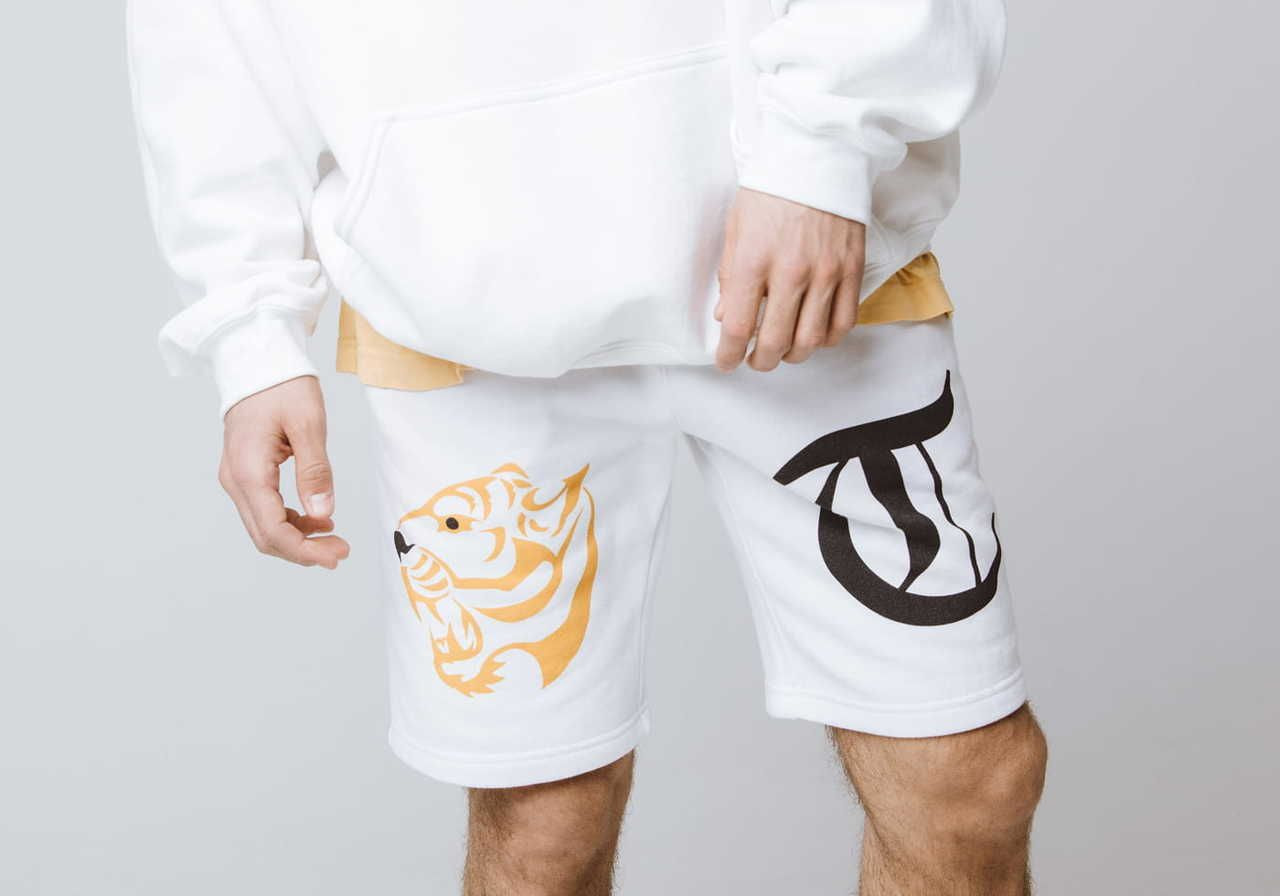
DTF printing and sublimation methods allow you to customize a wide range of products. Our DTFlex is already available for popular garments and selected accessories, including hats, polos, hoodies and jackets.
Sublimation is the best way to print t-shirts for custom shirts with all-over prints, available in a variety of fits and styles, including sports jerseys, crew neck shirts, tanks, crop tees and rash guards. It’s also perfect for sportswear, going well with bold prints and vibrant colors. Popular options include bikinis, swimsuits, sports bras, leggings, shorts and more.
Although DTF printing products are more limited, you can currently use the printing process on apparel items and accessories such as 5-panel hats, crop tops, hoodies, sweatpants and joggers, and more.
Quantity
Both DTF and sublimation printing fit into the on-demand printing model, giving you the same flexibility to print a single item or handle bulk orders.
Because there are no order minimums, you can experiment with new designs and custom products without having to hold inventory, reducing financial risk while you test what appeals to customers.
Environmental friendliness
Both techniques can be used for one-off orders, so you don’t have to worry about unsold stock and overproduction.
Printful’s DTFlex uses water-based inks and on-demand fulfillment to help reduce waste. Sublimation is also efficient on polyester fabrics, with relatively little ink waste. Additionally, our all-over print products are cut and sewn in-house, with leftover fabric scraps going into accessories such as scrunchies and headbands.
Investment and implementation in advance
Partnering with a POD company means no upfront investment, as items are only created after a customer orders them. You collect the payment, pay for the product and keep the remaining profits. At Printful, this applies to both direct-to-film and sublimation products, whether you are testing a new design or placing a larger order. Discounts on bulk orders can also reduce costs as your printing business grows.
Printing your own designs is a different story. Sublimation printers typically cost more upfront than DTF printers, although sublimation ink can be more efficient per print at higher volumes. Either way, you’ll also need blank products, ink, and shipping logistics. These costs can make selling through a POD provider a more cost-effective option for a new custom printing company.