AFC Wimbledon is not owned by any investor. It belongs to the fans. This is how the club is run, decision by decision, without support when things get tight.
That’s why every pound at Wimbledon has to work harder: for the football club, for its charity AFC Wimbledon Foundation and for the women’s team, which is growing in the long term.
Nowhere is this more clear than in LeaD ON, the foundation’s female coaching path. It is a program based on funded qualifications, mentorship and persuasion. LeaD ON works because the finances behind it are trustworthy and focused on growth.
We will discuss this in this article as follows:
Creating chances from the field of play
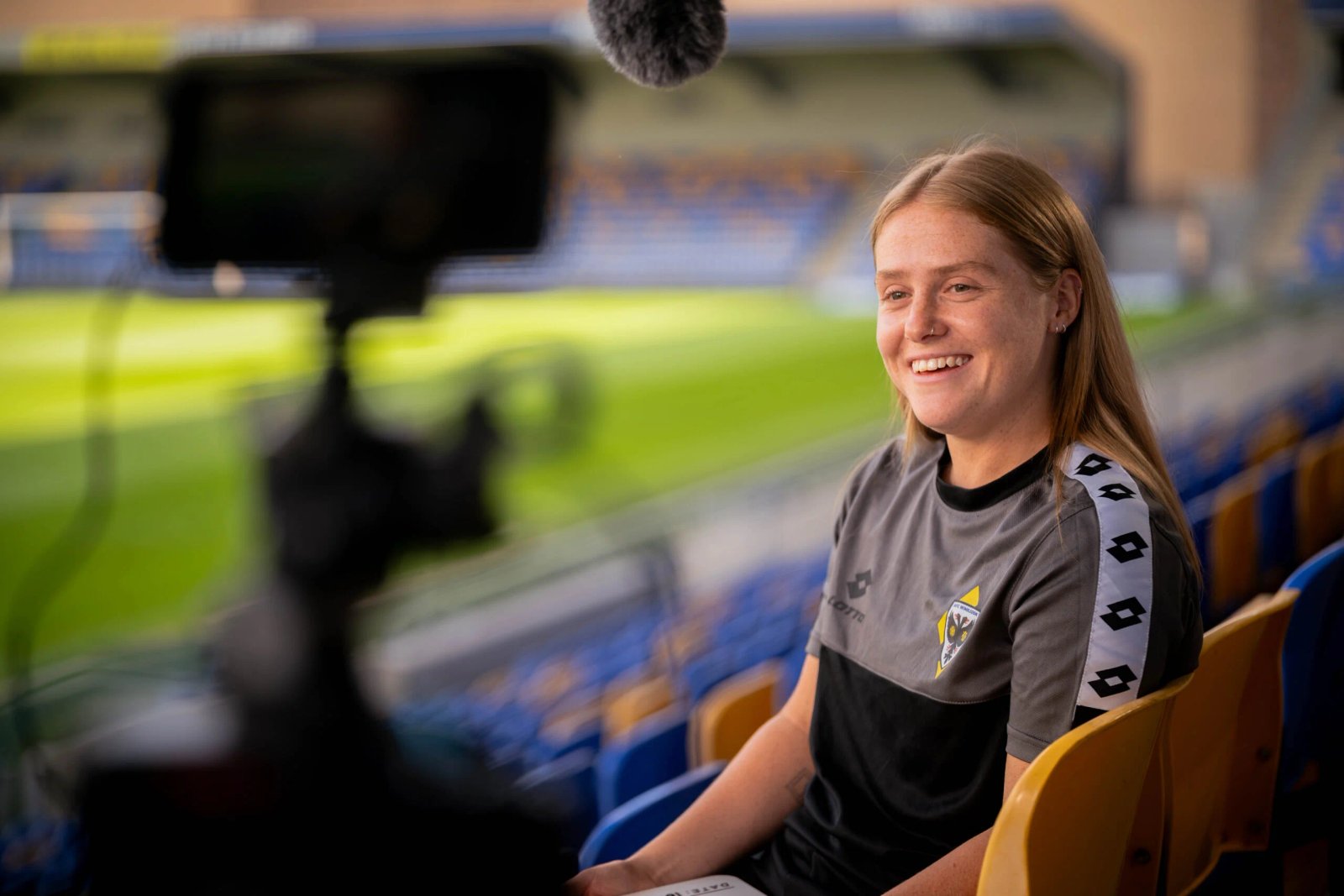
Watch the interview above to hear from the Senior Officer for Women & Girls, CEO of the Foundation and lead sponsor of LeaD ON, and learn how Sage gave them the clarity they needed to invest and grow with confidence on and off the field.
When Kate Wells, senior officer for women and girls, talks about LeaD ON, she rarely starts with qualifications or coaching badges. She talks about self-confidence.
For her, LeaD ON is about women taking their first step into a world they never thought they could be a part of. It’s about community, support networks and seeing people discover what they are capable of.
LeaD ON was created to help more women find a path into soccer training. Funded locally by philanthropist and sports presenter Mary Fitzhenry, the program aims to fill a gap in female role models and create a sustainable pathway for women and girls interested in sport.
“It takes so much for these women to take the leap into coaching,” says Kate. “It’s about that community and that shared experience.”
Each stage is carried out by women for women. From leadership qualifications in schools to a supervised coaching program and fully funded access to the UEFA C License, the pathway gives girls and women the skills, confidence and qualifications to become grassroots football coaches.
So far, around 30 trainers have completed LeaD ON. At a recent AFC Wimbledon event, about half of the female coaches in attendance were graduates of the program, a significant change from when Kate first joined the organization and only one female coach was involved.
But for Kate, the numbers only tell part of the story. One participant joined the program after Long Covid forced her to leave her job. She had never worked as a trainer before but decided to give it a try. Within a year, she had progressed, securing coaching opportunities and eventually taking on a full-time position with another football foundation.
“The biggest and most rewarding takeaway,” says Kate, “is watching them grow not just as coaches, but more importantly, as people.”
Programs designed to last
Stories like these are powerful, but they don’t happen by chance. For organizations like the AFC Wimbledon Foundation, creating long-term opportunities means balancing ambition with financial sustainability.
Over the last seven years the trust has grown significantly, increasing turnover from around £300,000 to over £1 million, whilst expanding the number of programs it offers across the local community.
At the same time, AFC Wimbledon itself continues to operate differently than many clubs in professional football.
The club has one of the smaller playing budgets in the division. Without the financial support of a single owner, careful planning and informed decision making are essential.
“We have to plan ahead and make sure we spend the money well,” says club finance director Laurie Hill.
For the foundation, this same discipline helps programs like LeaD ON continue to grow.
“When we apply for grants or plan future projects, we need to have complete confidence in our numbers,” explains Phil Hastings, CEO of the foundation. “The decisions we make today impact what we can deliver for our community tomorrow.”
Trust the numbers to make better decisions
As the foundation expanded, it became increasingly important to have a clear understanding of financial performance.
For Finance Officer John Taylor, the value lies in trust: “When it comes to the foundation’s finances, Sage is the holy grail. What our accounting system says is the truth.”
This trust enables teams across the organization to make decisions based on the same data, whether managing budgets, planning projects, reporting to funders, or identifying growth opportunities.
Phil has worked to expand this visibility beyond the finance team.
“It’s not just the finance team’s job to understand the business side of things,” he says. “It has to be the wider team that understands their budgets and how to ensure their spending is in line.”
Instead of waiting for reports or relying on assumptions, department leaders can see where they stand and make decisions with confidence. For a growing company, this visibility creates something valuable: time.
More time for the essentials
Sophia Axelsson, General Manager of AFC Wimbledon Women, understands the impact first hand.
As the only full-time employee supporting the women’s team, her time is valuable. Previously, producing reports for the board could take a full day each month. Today, by working closely with the finance team and leveraging shared financial information through Sage, these reports can be created almost instantly.
“Now that I work much more closely with the finance team, I can do what used to take me a full day a month to do right away,” she says.
This time can be reinvested elsewhere: in supporting players, in personnel development and in building a women’s team whose roots go back to 1974.
It is also time that helps opportunities like LeaD ON continue to thrive. Because while the program trains future coaches today, its success depends on something much less visible behind the scenes: the ability to plan, forecast and invest with confidence.
At AFC Wimbledon, trustworthy financial data isn’t just about balancing the books. In this way, the foundation supports the next generation of female trainers. It is what gives employees the confidence to pursue growth. And that is exactly what allows a fan-run football club to invest in its community for the long term.
As Phil puts it: “When we’re out in the community, it’s AFC Wimbledon. It’s not the AFC Wimbledon Foundation. We’re all one.”
With confidence in their numbers and clarity about where resources will have the greatest impact, AFC Wimbledon and the AFC Wimbledon Foundation can focus on what matters most: creating lasting opportunities, on the pitch, on the sidelines and across the wider community they serve.
What companies can learn from the AFC Wimbledon Foundation
As the AFC Wimbledon Foundation continues to expand its impact in the local community, its experiences highlight several lessons for organizations looking to build their own sustainable programs:
- Think beyond short-term initiatives: Creating a clear path rather than a one-off program helps participants develop long after their first interaction.
- Connect financial planning to business goals: When you know where money is being spent and what its impact is, it is easier to invest with confidence.
- Give teams ownership of their budgets: When financial transparency extends beyond the finance department, executives can make faster, more informed decisions.
- Measure success in both people and numbers: Strong financial management is important, but so are the results, opportunities and personal stories that show real impact.
Final thoughts
The AFC Wimbledon Foundation shows how trusted financial data can translate ambition into sustainable action.
With clearer visibility into budgets, teams can make better decisions, plan with confidence, and advance programs like LeaD ON.